Culture · 3 min read
Arts and Creative Communities
Look for a particular exhibition, gallery or performance, not just a creative district on a map. Programmes and public access vary between venues.
Culture with many authors
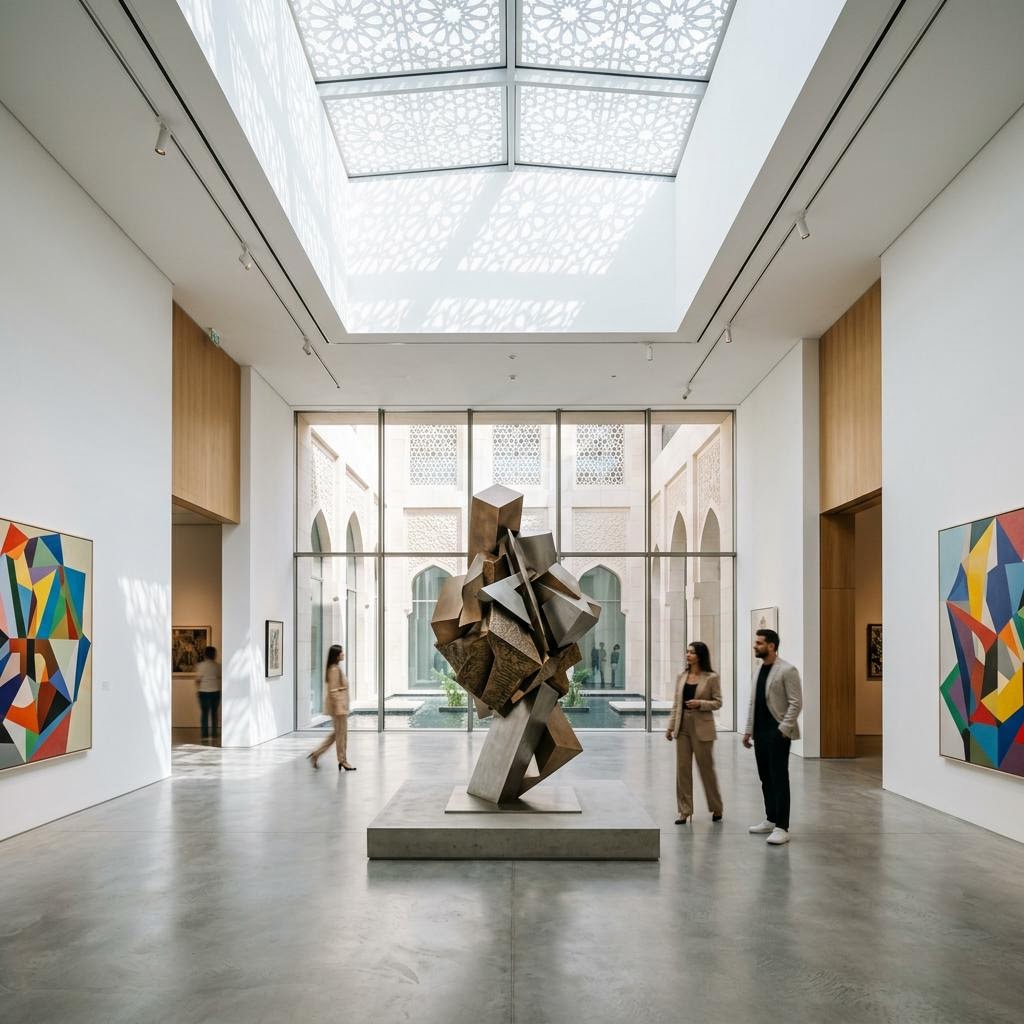
Dubai Culture, private galleries, independent studios and community groups all contribute to the city’s arts programmes. Their work includes heritage, calligraphy, photography, installation, design and music. The practical starting point for a visit is a current listing at a specific venue.
This mixture means there is no single story. A visitor might find calligraphy, photography, installation, design and music in the same week, each connected to a different community. Looking for the connections is part of the pleasure.
Places to look for
Several clusters host galleries and studios. Al Quoz, an industrial area, is known for warehouses converted into art spaces, while design-oriented districts present fashion and product work. Heritage quarters like Al Fahidi also host galleries and cultural centres within restored houses.
Venues open and close, and programmes change often, so rely on current listings from the venues themselves. Many exhibitions are free to enter, but arrangements vary, and a quick check saves a wasted trip.
Performance and public culture
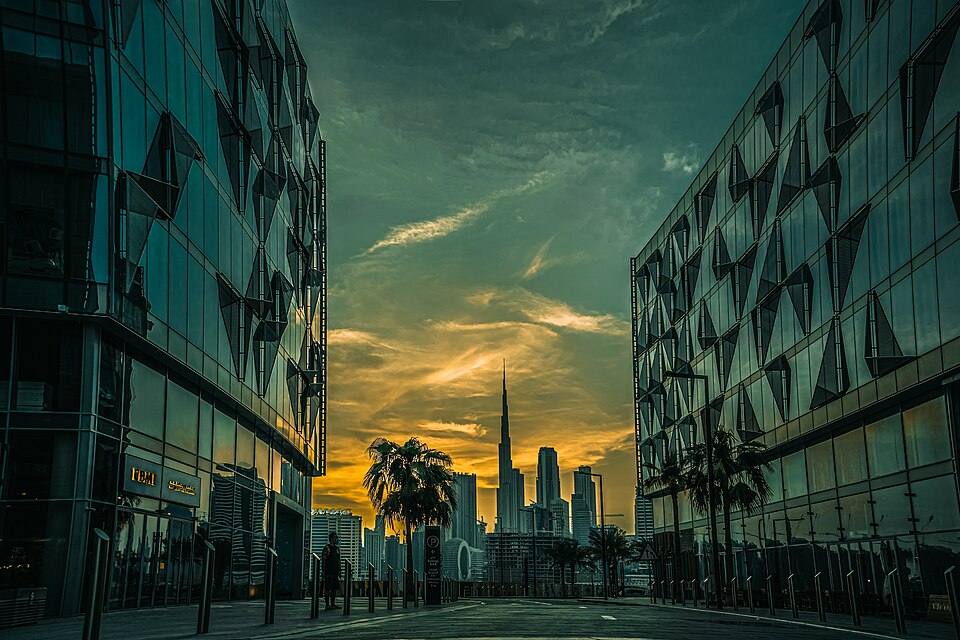
Dubai Opera, in Downtown Dubai, describes in its own story a venue built for opera, theatre, concerts and other performances, with an architectural form inspired by a dhow. Its programme brings together visiting and local artists and reflects the city's international audience.
Festivals, fairs and public events add to the calendar. Dates, content and formats change from year to year, so check official event pages. Attending even one performance tells you a lot about who lives in the city and what they like.
Local voices
Emirati artists, writers and designers play a central role, drawing on poetry, calligraphy, architecture and everyday life. Alongside them, artists from across the Arab world, South Asia and beyond have settled in Dubai, and the interplay of backgrounds gives the scene its character.
Look for shows that include artist statements and context, and read them. They help you move beyond first impressions and understand what the work is responding to, including the city itself.
Visiting thoughtfully
Respect gallery rules on photography and touching, and be mindful of cultural and legal norms about content. Public art and performances may be subject to local regulations, and organisers set their own conditions.
Plan a day around two or three spaces rather than many, and leave time for coffee and conversation. Buying from artists directly, where possible, supports the scene. If you are unsure where to begin, start in a heritage quarter, continue to a contemporary gallery district and finish with an evening performance, so that you see the old, the new and the in-between in a single day. You will come away with a clearer sense of how culture is made here and by whom.
Learning the vocabulary
A few terms help. Calligraphy refers to the artful writing of Arabic script, often used in both traditional and contemporary work. A majlis is a gathering space where people meet to talk, and many cultural programmes borrow its spirit of open conversation. Oud, a pear-shaped stringed instrument, appears in classical and modern music across the region.
Knowing these words will not make you an expert, but it will help you follow a gallery text or a concert programme and to ask better questions of the people you meet. Curiosity is the main requirement, and the scene tends to be welcoming to those who show it.
Remember too that the calendar moves quickly. Seasons start and end, venues change owners and programmes shift, so a current listing is always better than a printed recommendation, including this one.
Finding current listings
Gallery websites and official cultural pages carry the most up-to-date information on exhibitions and performances. Follow a few that match your interests before you travel, and check them again when you arrive. Confirm dates and any entry arrangements before setting out.
Independent and unofficial. Details change; confirm with official sources before you travel.