Architecture · 3 min read
Palm Jumeirah: An Island Made by Design
The trunk, fronds and crescent have different roles. Understanding the island’s layout makes it easier to choose a destination rather than just a viewpoint.
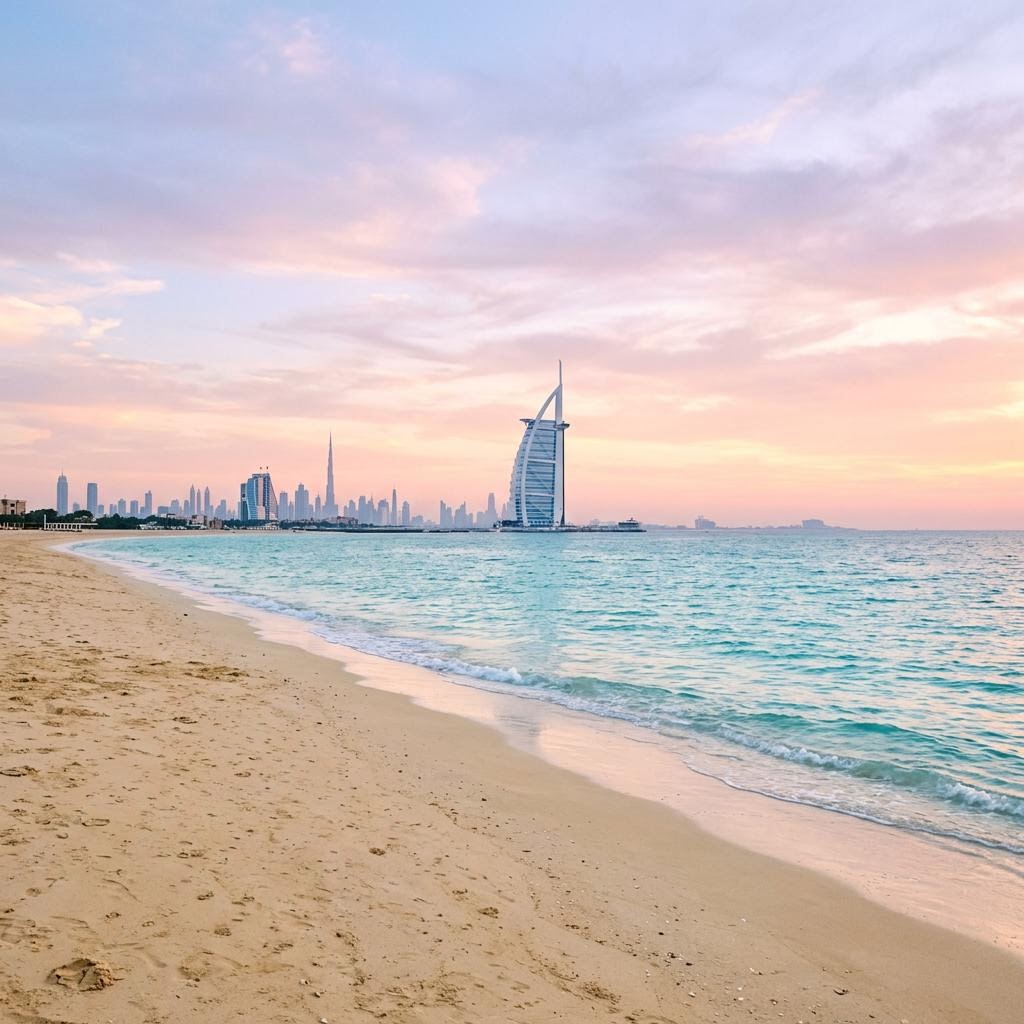
A coast extended into the sea
Palm Jumeirah is a reclaimed island off the Jumeirah coast. Nakheel developed its trunk, residential fronds and outer crescent, which acts as a breakwater. The island opened in stages from the mid-2000s; it was not delivered as one finished attraction.
The idea was straightforward and very Dubai: lengthen a famous coastline by designing more of it. A straight shore has only so many beachfront plots, whereas a shape with many fingers creates many more. Seen as a planning solution, the palm is a geometric answer to a land-scarcity problem.
How the island is organised
The trunk is the main connecting spine, carrying the road that links the mainland to the crescent. Each frond is a spur with homes along both sides, which means traffic and activity are concentrated along narrow corridors. The crescent holds many of the large hotels, and the outer edges shape the sheltered water in between.
Because the island is a single designed system, it behaves differently from an organically grown neighbourhood. Services, access and parking are decided by a master plan, and a visitor who arrives without a clear destination may find it less casual than the older districts on the mainland. Think of it as a resort-and-residential enclave that you visit with purpose.

Questions worth asking
Projects like this raise sensible questions about the sea. Reclamation changes currents and shoreline habitats, and engineers manage water circulation through design choices such as openings in the breakwater. Official environmental assessments and later independent studies are the right places to look for facts, and a responsible summary should avoid sweeping claims either way.
There are also social questions about who the place is for. Much of the island is private residential or hotel land, and public access varies by location. If you plan to visit, look for public beaches, promenades and cafes rather than assuming every stretch of shore is open, and treat posted rules with respect.
Getting a feel for it
Getting there is part of the experience. A monorail runs along the trunk to the crescent, a tram and taxis serve other routes, and the road gives a sense of the island's scale. For a broader sense of the shape, many visitors use a viewing platform on a nearby tower or a boat trip, since the form is hard to read from ground level.
Walk a short section of the crescent promenade and you will notice how calm the water is, thanks to the breakwater. That simple observation says something about the project: it is an attempt to build a landscape as well as a set of buildings. Whether you find it elegant or excessive is a legitimate personal judgement, and the most useful thing you can do is look closely before deciding.
Alongside the other waterfront projects
The palm is one of several large coastal schemes in the emirate, and comparing them is instructive. Some prioritise housing, others tourism or leisure, and each balances private and public access differently. Reading the shoreline as a sequence of design decisions, rather than a single landscape, makes the whole coast easier to understand.
It also explains why people disagree about it so readily. Admirers see a bold feat of engineering; critics point to cost, access and environmental trade-offs. Both camps deserve a hearing, and neither should be treated as the official view of the place.
A practical note
Check current access arrangements for specific beaches, clubs and viewpoints before you go, since these are set by operators and can change with the season.
Carry ID, dress for the venue and allow extra time for traffic on the trunk at busy periods.
Independent and unofficial. Details change; confirm with official sources before you travel.