Travel · 3 min read
Why Visitors Are Drawn to Dubai
Warm-weather breaks, business visits and stopovers call for different plans. Compare what you want from a trip with the city’s distances, climate and costs.
Reasons, not rankings
A winter beach break, a conference trip and a short stopover need different itineraries. Start with your reason for travelling, then consider season, location and the time available. Dubai’s range of activities does not make every district or every month equally suitable for your plans.
Treat promotional language with the same caution you would apply anywhere. A destination is a mix of strengths and limitations, and the more clearly you know what you want from a trip, the better you can judge whether Dubai fits it.
Climate and season
The Gulf climate is hot for much of the year, with a milder period in the cooler months, often considered the most comfortable time for outdoor activity. Summer brings high temperatures and humidity, which shifts life indoors and to evenings. Check seasonal forecasts and plan your daily rhythm accordingly.
This seasonality affects what you can do. Beaches, walking routes and desert trips suit cooler months, while museums, malls and indoor attractions provide shelter in summer. Neither is better; they are simply different trips.

Connection and convenience
As the aviation article explains, Dubai is easy to reach from many places and is built to receive visitors. Public services, transport and hospitality are organised around that expectation, and English is widely used in tourist settings. For first-time travellers to the region, that can make the logistics of a trip feel manageable.
Convenience has its own character, though. A well-organised city can feel curated, and those who prefer improvised travel may need to look for the older districts and neighbourhood restaurants to find texture.
Contrast and curiosity
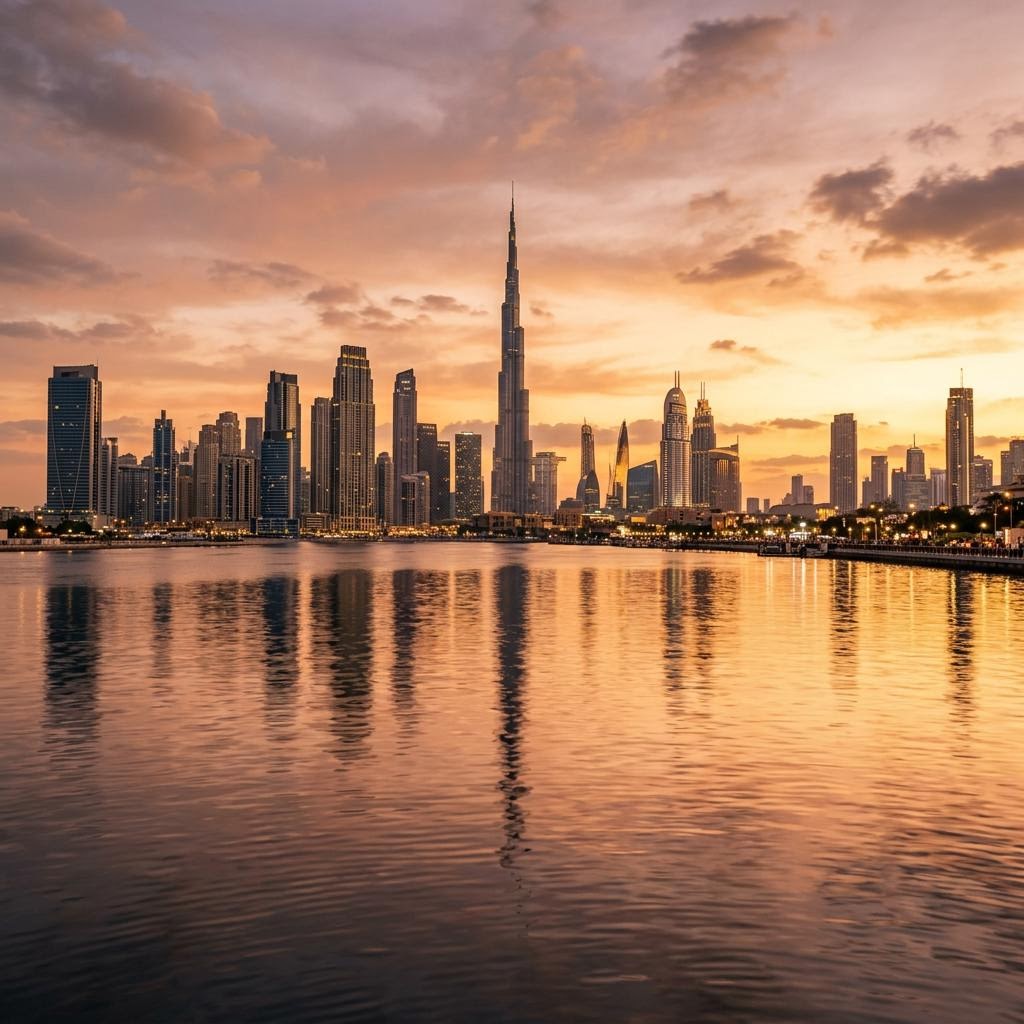
Many visitors are drawn by contrast: a desert beside a skyline, a heritage lane near a mall, a mosque beside a tower. The city compresses different eras and ideas into a small space. That compression is genuinely unusual and part of what makes it worth studying.
Curiosity also brings people who want to understand how a city can grow so quickly and what costs and benefits come with it. Reading widely, visiting varied districts and speaking with residents will give a richer view than a single itinerary.
Questions before you go
Ask how you want to spend your time, how you feel about heat, and what you hope to learn. Check entry requirements, local laws and customs through official channels, and consider the impact of your choices on people and places. Confirm opening hours and prices directly with venues, because they change.
Then travel with an open mind. Some people find Dubai dazzling, others find it overwhelming, and many find it both. An independent guide such as this one tries to give you context rather than a verdict, so you can decide for yourself. Come with questions, leave room in your schedule for wandering, and you are likely to come away with a more textured understanding than any brochure could supply, whatever your final opinion turns out to be. If you are drawn to heritage, art or food, add neighbourhood visits rather than treating the skyline as the whole destination.
A note on expectations
Many first-time visitors arrive with images from social media and find the real city quieter, hotter, more varied or more ordinary than expected. Adjusting expectations early helps. Dubai is a working city with residents, schools and commutes, and its charms often lie in the small moments between the headline sights.
Leave space in your plans for these moments: a cup of tea after a long walk, a conversation with a taxi driver, a quiet evening by the water. They are not on any list, and they may become the part of the trip you remember most.
Independent and unofficial. Details change; confirm with official sources before you travel.