Technology & business · News analysis · 2 min read
DIFC’s AI-native announcement: strategy versus an operating service
DIFC aims to become an AI-native financial center. Distinguish this strategic goal from services actually available to visitors or companies today.
- Published
- Sources checked
- Not separately recorded
- Content updated
- By
- ComeVisitDubai editorial
Update note: Refocused this article around a distinct planning question and linked companion coverage. Publication and existing source-check records are preserved; this revision is not a fresh verification of every source. Edited for clarity and repetition, with contextual photographs added. This copy edit is not a new full-article source check.
Based on the linked sources, not a first-hand visit. “Today” and “this week” refer to the publication date. Source checks and later edits are recorded separately. Editorial method and attribution.
Attribute the claim to its issuer
On 21 April 2026, DIFC announced its intention to become what it calls the world’s first AI-native financial centre. That superlative is DIFC’s framing, not an independently established ranking here. The announcement concerns a programme across legal frameworks, business operations, talent, infrastructure and the physical district.

For a business meeting, ask what has actually changed
The release points to a five-year strategy and data-governance groundwork dating from 2023. That background is different from a new operational service available to every company today. If a provider refers to AI-native processes, ask which service, current rule or published procedure applies to your transaction.
Do not use a strategy announcement as legal, regulatory or data-protection advice. Confirm the relevant authority’s current requirements and obtain appropriate professional advice for a business decision.
Physical infrastructure and economic benefits remain programme claims
The release describes intelligent buildings, autonomous mobility, robotics, digital twins and smart utilities towards 2030. It also projects USD3.5 billion in economic benefits and 25,000 jobs. Those projections do not establish a bookable robot experience, a transport service or vacancies for visitors.
A meeting invitation still needs an actual address, host and access instructions. There is no basis here to recommend travelling to DIFC to experience all of the proposed systems operating together.
Use the right companion story
The AI Campus article separates a reported baseline from company and job targets. The talent article concerns education and eligibility questions. This page’s narrower value is to distinguish an institution’s strategy from the status of a specific service you might use.
Independent and unofficial. Part of an editorial selection of 90 topics, not a popularity ranking. Details change; confirm with official sources before you travel.
You might also want to read
Dubai AI Campus: separate the reported 2026 baseline from 2030 targets
DIFC reports progress as of October 2026 with targets set for 2030. Distinguish between current achievements and future projections when planning business visits.
Read · 2 minDubai’s Geospatial Accelerator: what a pilot can and cannot demonstrate
DIFC’s Geospatial Accelerator involves pilot projects with selected partners. These are test phases, not a deployed public service.
Read · 2 min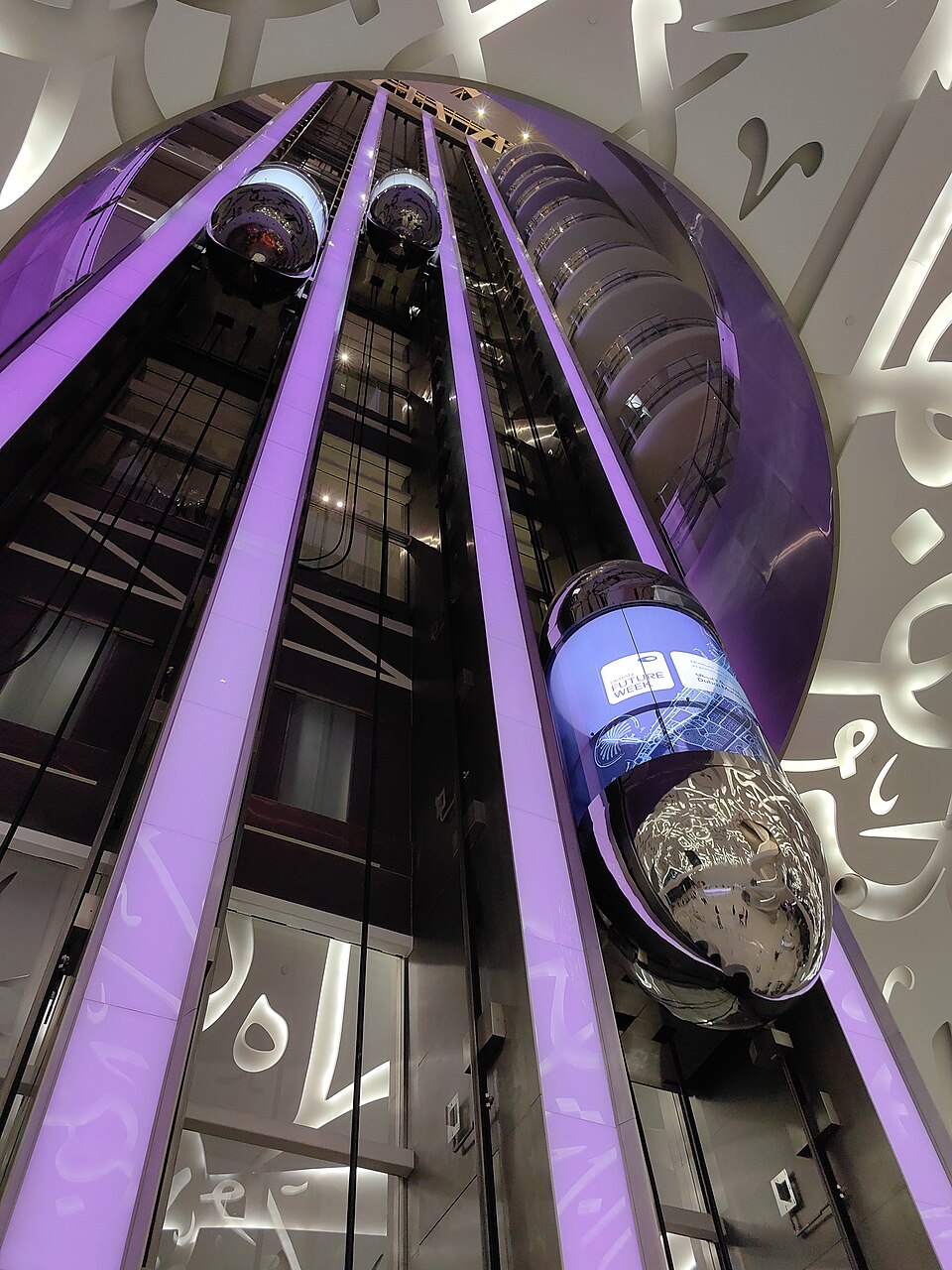
Dubai Future Week 2026: what to see from 18–21 November
Emirates Towers and the Museum of the Future host four days of talks, student prototypes and public experiences. The useful distinction is not just what is on, but which sessions you can actually attend.
Read · 4 min