Art & culture · Programme preview · 3 min read
ISEA2026 approaches: Dubai’s art-and-technology programme explained
Ahead of the 6 November opening, Dubai Culture has detailed an online academic programme alongside artistic experiences across the city. Here is how the two formats differ.
- Published
- Earlier source-check record
- Content updated
- By
- ComeVisitDubai editorial
Update note: Edited for clarity and repetition, with contextual photographs added. This copy edit is not a new full-article source check.
Based on the linked sources, not a first-hand visit. “Today” and “this week” refer to the publication date. Source checks and later edits are recorded separately. Editorial method and attribution.
A forthcoming symposium with two ways to engage
Dubai Culture has released details of the academic programme for ISEA2026, the thirty-first International Symposium on Electronic/Emerging Art, held 6–15 November 2026. The 3 November release outlines an international programme connecting art, science and technology. This preview covers confirmed information, not a review of exhibitions or a guarantee of session availability.
The academic programme and in-person artistic programme serve different needs. Research presentations are available digitally, while exhibitions require physical travel. Booking one does not grant access to the other. Follow registration instructions for the specific activity you intend to join.
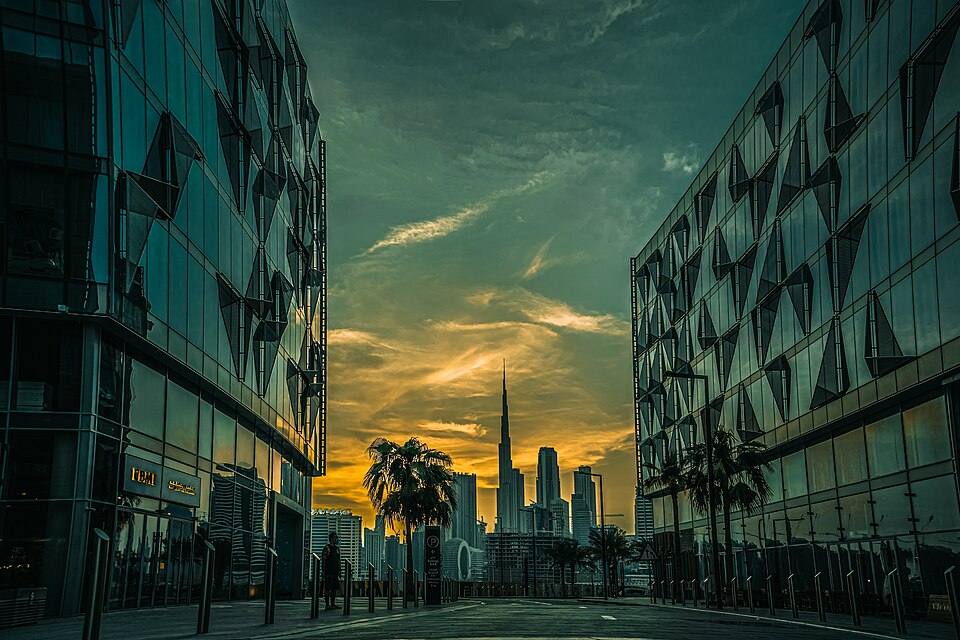
What the new academic announcement adds
The November release says online special-track workshops begin on 6 November, followed by the core academic sessions from 10 to 14 November. It describes 145 academic papers alongside artist talks, panels, workshops, Eco Labs and institutional presentations. Those figures convey the scale of the research programme, but they are not a count of exhibitions that a tourist can walk into across the city. Keep the digital timetable separate from the dates and opening arrangements of a physical art visit.
Dubai Culture is organising the symposium in partnership with Zayed University. The announced keynote speakers include Katherine Hayles and Shuddhabrata Sengupta, linking research, writing and artistic practice. For a specialist audience, that may make the academic programme a priority. A general visitor does not need to follow every scholarly strand to enjoy the wider artistic programme, however. Start by deciding whether you want to listen, discuss, make something or encounter an artwork, then choose the format that supports that purpose.
Four themes connect the programme
The symposium theme, ELYAH: Constellating Place, Data and Identity, features four strands: Celestial Dialogues, Charting Constellations, Eco-Tech Futures and Starlinked Worlds. These cover cultural memory, public space, environmental responsibility and digital ethics. They are curatorial starting points, not rigid technical requirements.
If terminology seems unfamiliar, consider the themes as questions regarding archives, urban data, environmental art and identity. The value lies in exploring contrasting methodologies.
Citywide distribution of physical experiences
Artistic activities are held across twenty locations, including Al Safa Art & Design Library, Etihad Museum, Kanvas, Foundry Gallery, ARTE Museum, TODA and Al Wasl Dome. Availability and admission vary; they are not a unified attraction.
Verify the specific work or session before travelling. Check for advance registration or timed entry. Treat the programme as a series of specific visits rather than a single destination.
Make art fit the rest of your Dubai visit
Because the programme spans multiple locations, geography matters. An exhibition near another confirmed stop may fit a holiday more comfortably than a distant performance with a narrow arrival window. Compare the actual addresses before combining experiences, and allow time for transport, entry and looking at the work without rushing. If you are travelling with children or someone with access requirements, ask about the specific installation environment, sensory effects, seating and route rather than relying on a broad description of the symposium.
The official announcement also highlights Evolving Calligraphy, Letter Art, Typography, including a strand called Calligraphy to Code. That offers a particularly interesting connection between writing traditions and contemporary computational practice. It can complement a heritage-focused itinerary without implying that older and newer creative work are interchangeable. Read the artist or curator’s explanation and give the work room to be unfamiliar. A photograph taken for a social post is only one possible encounter; a few minutes of observation may reveal a different dimension.
Registration and timing checks
Use the official ISEA2026 website to register. Confirm session dates, times and locations, particularly for online events where time-zone differences apply. Keep joining instructions separate from general previews.
The confirmed academic programme complements the artistic component. Select specific activities that interest you rather than attempting to attend the entire circuit. Treat this guide as orientation for the live event.
Independent and unofficial. Part of an editorial selection of 90 topics, not a popularity ranking. Details change; confirm with official sources before you travel.
You might also want to read

La Perle Dubai: choosing seats and planning the evening
The aqua theatre at Al Habtoor City is built around aerial action and a water-filled stage. A good evening starts with the right performance, suitable seats and a realistic arrival plan.
Read · 4 minArchived edition · advertised window ended
Dubai Design Week 2026 preview: festival, fair or workshop?
The 3–8 November festival and 4–8 November Downtown Design fair had different dates and access arrangements. This archived preview distinguishes the programme strands.
Read · 2 min
Sikka 2026 retrospective: reading the published programme, not a visit review
The 23 January–1 February edition paired regional creative work with Al Shindagha’s heritage setting. This source-based retrospective explains the format without claiming attendance.
Read · 2 min