Family & attractions · 2026 guide · 2 min read
Museum of the Future in 2026: architecture, imagination and family expectations
The museum’s website displayed a temporary-closure notice on 10 November, without a reopening date. Here is what its calligraphy, structure and exhibition concept tell us about the building.
- Published
- Earlier source-check record
- Not separately recorded
- Content updated
- By
- ComeVisitDubai editorial
Update note: Added the official temporary-closure notice. No reopening date or current interior admission was established; this remains an architecture explainer. Edited for clarity and repetition, with contextual photographs added. This copy edit is not a new full-article source check.
Based on the linked sources, not a first-hand visit. “Today” and “this week” refer to the publication date. Source checks and later edits are recorded separately. Editorial method and attribution.
10 November operating-status check: temporary closure
The Museum of the Future's official homepage and plan-your-visit route display: 'The Museum of the Future is temporarily closed as we prepare for our next chapter.' No reopening date was established in this check. Do not travel expecting interior admission on the strength of the architecture discussion below. Recheck the museum's current notice before arranging tickets or a family visit; future age/access rules and exhibit availability were not verified.
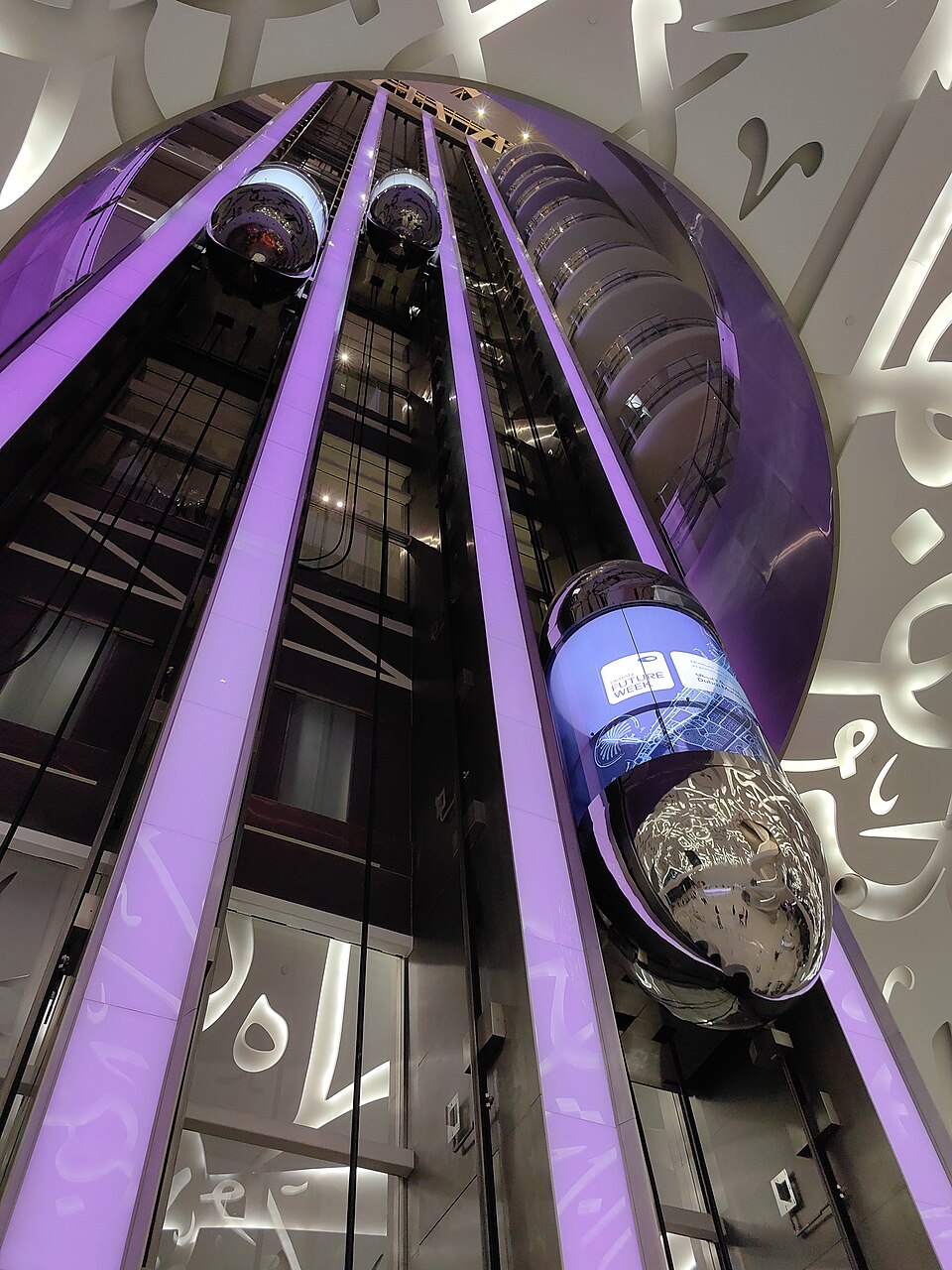
A building that acts like an idea
The museum’s exterior is its primary feature. The design bridges technology and traditional art, serving as a statement on possibility.
Visitors should understand that the architecture is the primary experience, intended to evoke curiosity before any potential interior visit.
Why the form feels so unusual in Dubai
The building departs from the standard vertical skyscraper silhouette, using a rounded, torus shape.
This deliberate design choice is a subject for interpretation, inviting visitors to discuss contemporary architecture rather than just viewing a landmark.
Arabic calligraphy as structure, not decoration
The facade features quotes from His Highness Sheikh Mohammed Bin Rashid Al Maktoum in Mattar bin Lahej’s calligraphy. The writing is structural, not ornamental.
This reinforces the regional identity of the site, presenting a futuristic vision that is culturally anchored.
What the symbolism tells you before you go inside
The circular building represents humanity, the mound represents the earth, and the central void represents the unknown future.
This trilogy serves as an interpretive key, suggesting that the future is a question to be explored rather than a prediction to be stated.
The engineering behind the visual effect
Killa Design and Buro Happold led the project. The facade consists of 1,024 stainless steel pieces created via robot-assisted processes, covering 17,600 square meters.
The surface is the result of industrial coordination between concept and fabrication.
Dimensions that help set realistic expectations
The structure is 77 metres tall with an area capacity of 30,548 square metres. Its impact is derived from proportion and shape rather than raw height.
It is designed for close observation, fitting for its symbolic role as a place for imagination.
How to think about tickets and access in 2026
The building’s architectural identity is the verified core fact, while current visit policies, age access and exhibit schedules are not provided by this source. Verify all practical visit details through official channels once the museum resumes operation.
Independent and unofficial. Part of an editorial selection of 90 topics, not a popularity ranking. Details change; confirm with official sources before you travel.
You might also want to read

VOX Cinemas Dubai: choosing a cinema, format and film for your visit
A practical guide to Dubai VOX locations, IMAX and other viewing formats, with the booking, language and age-rating checks that matter before you choose a show.
Read · 3 min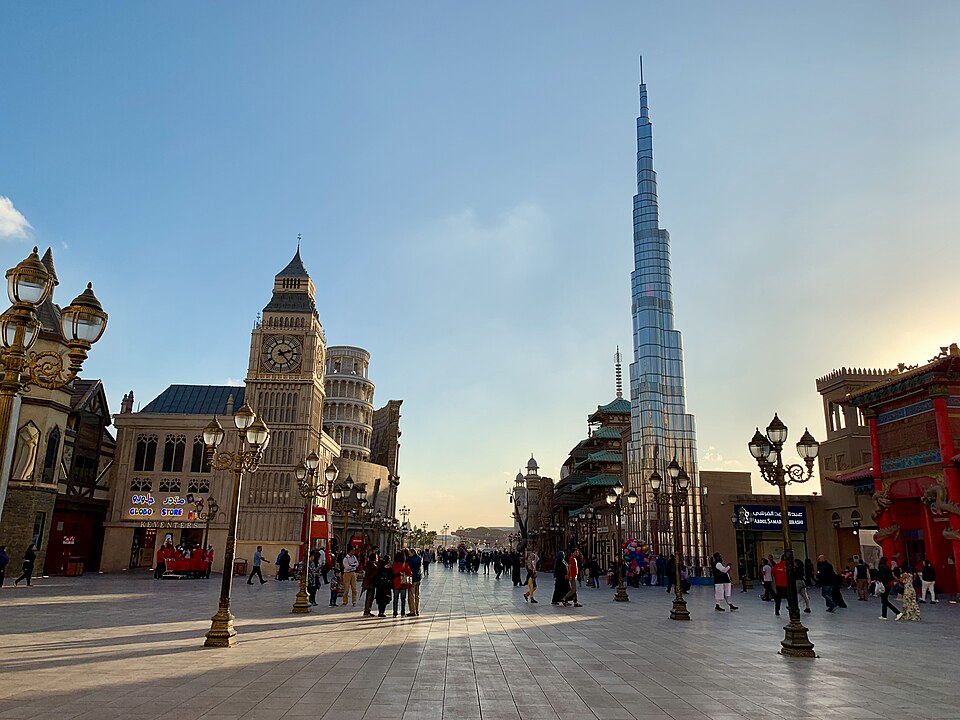
Global Village Season 31: what the 2026–2027 opening means for an evening out
Global Village Season 31 opened on 14 October 2026 and runs until May 2027. The season combines pavilions, dining and attractions, with specific Tuesday entry rules for families, couples and ladies.
Read · 3 min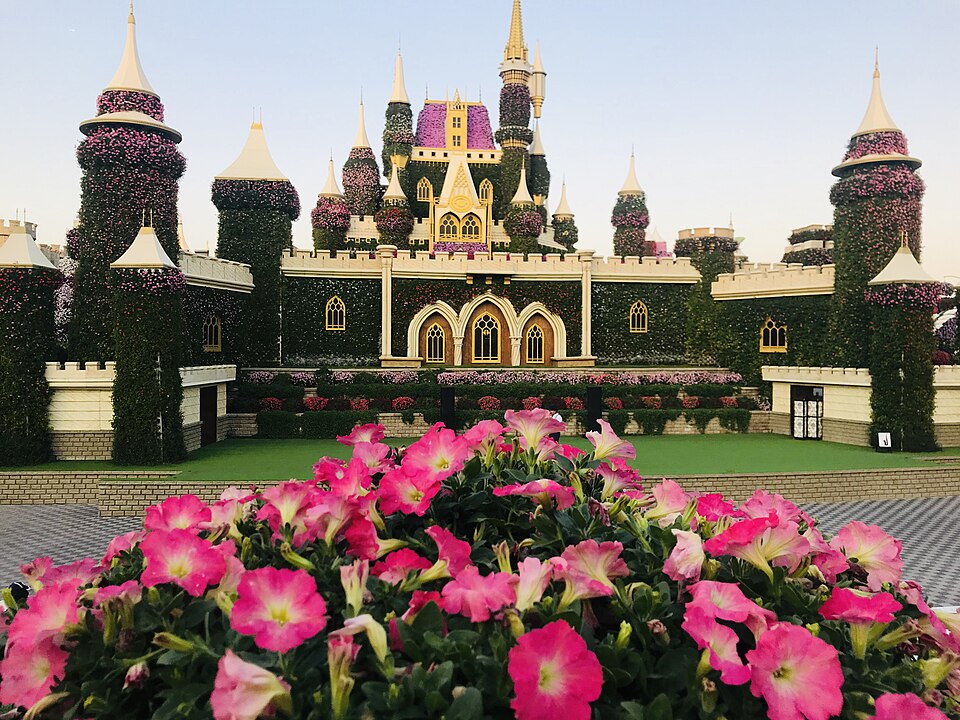
Dubai Miracle Garden in the 2026 winter season: plan for the garden, not just the photo
Check the garden’s seasonal opening, admission ticket and any separate event package. The operator’s 10 November information listed daily hours and described Bus 105 as seasonal.
Read · 2 min