People · 3 min read
A Multicultural City in Daily Life
Languages, food and everyday customs reflect Dubai’s international population. The city also has an Emirati, Arab and Islamic context that visitors should understand.
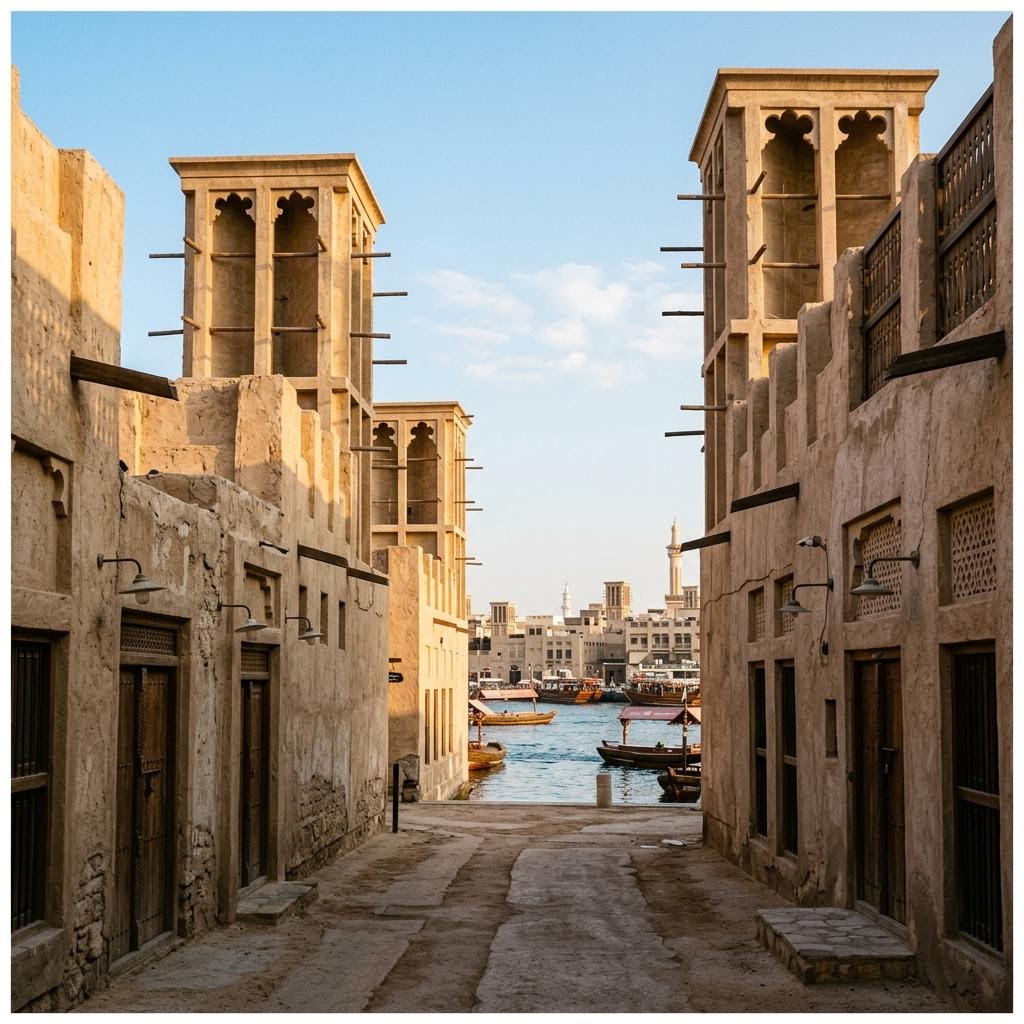
Where the mix comes from
Dubai draws workers, business owners and families from many countries, continuing its history as a trading port. Official statistics are the place to look for current population figures; daily life offers a different view through languages, neighbourhood businesses and shared public spaces.
Citizens of the UAE, known as Emiratis, are a distinct community with their own traditions and a central role in public life. Understanding this is important: the city is international, but it is also an Arab and Islamic society with its own norms, and that framework shapes daily life.
Languages and everyday signals
Arabic is the official language, and English works as a common language in business, signage and services. In shops and restaurants you will hear Hindi, Urdu, Malayalam, Tagalog, Persian, Russian and many others. Listening across a single bus ride can feel like crossing continents.
Faith is visible too. Mosques are prominent, and the call to prayer marks the day. There are also churches, temples and other places of worship, with arrangements set by the authorities. Visitors will find that respectful curiosity is welcome, particularly if they ask politely before entering or taking photographs.

Neighbourhoods with personalities
Different districts tend to reflect different communities, and no neighbourhood is one thing only. Older areas near the Creek have long-established South Asian and Iranian connections, while newer districts attract a broad international population. These patterns are not fixed rules, and many residents move between areas for work and leisure.
Food is a good guide. A street with Keralan restaurants, Filipino bakeries and Levantine grills tells you about the people who live and work nearby. Eating where residents eat is a respectful and informative way to experience the city without treating communities as attractions.
Work, belonging and complexity
Many residents live in Dubai for a defined period, tied to work and residency rules, and this affects how people think about belonging. Some build families and stay for decades; others plan to return home. Community life is shaped by these differences, as are discussions about labour conditions and rights, which are topics of public and international attention.
A fair picture includes both the opportunities that draw people and the challenges many face. Reading widely, from official publications to independent reporting, helps you form a balanced view rather than a promotional or purely critical one.
Being a good guest
Dress with awareness, especially in religious or traditional settings, and follow local laws on behaviour, photography and public conduct. During Ramadan, expectations around eating, drinking and music in public change, and visitors should check current guidance from official sources.
Greet service workers politely, tip according to your own judgement and learn a few Arabic phrases. A simple shukran, meaning thank you, goes a long way. The city's openness is real, and it works best when visitors treat it as a shared space.
Reading beyond the surface
It is easy to describe Dubai as a melting pot, but a better image may be a set of neighbouring communities that share infrastructure, workplaces and public spaces while keeping their own habits. Friendships cross those lines every day, and so do misunderstandings.
Spend time in community-run cultural centres, local markets and neighbourhood restaurants where you can, and listen more than you speak. The picture that emerges is richer and more ordinary than any slogan, and it will leave you with better questions than the ones you arrived with.
Language as a bridge
Even a few words in someone's own language, whether Arabic, Hindi, Tagalog or another, tends to prompt a smile and a more relaxed exchange. It signals respect, and it reminds you that you are a guest in a city where most people are also, in some sense, newcomers.
Independent and unofficial. Details change; confirm with official sources before you travel.