Architecture · 3 min read
Architectural Contrasts: Wind Towers to Glass Towers
Compare the shade and privacy of courtyard houses with the demands of commercial blocks and contemporary towers. The differences are easier to see at street level.
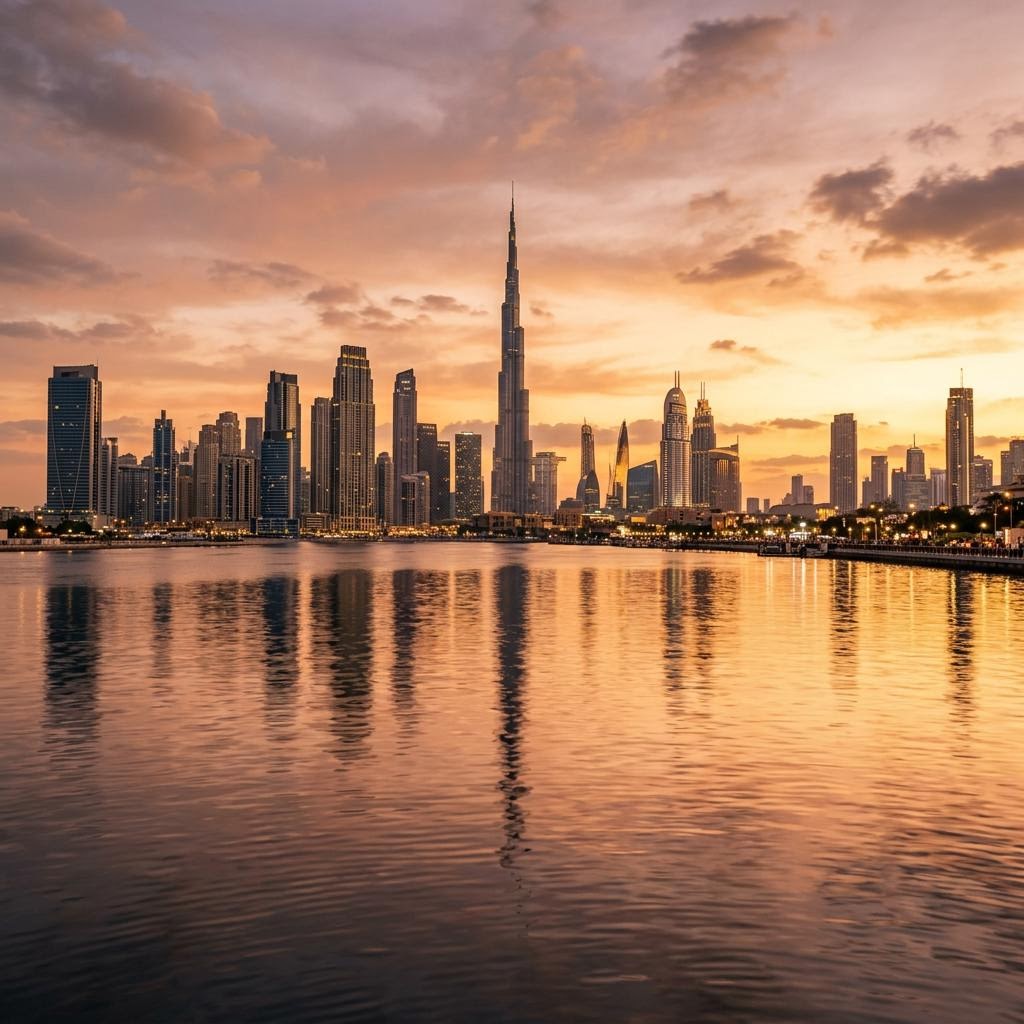
Three layers, one city
Dubai’s buildings include traditional courtyard houses, mid-century commercial blocks and contemporary towers. All have to deal with heat, light, privacy and the way people use space. Their different materials and technologies offer a useful comparison around the Creek and older coastal roads.
Each layer answers the same problems, which are heat, light, privacy and trade, with different technologies. Seeing them next to each other, as you can around the Creek and along the older coastal roads, teaches more than any single landmark does.
Climate as designer
Traditional builders used thick walls, small openings and wind towers to moderate heat. Narrow lanes shaded each other and courtyards gathered cooler air. Light colours reflected the sun. Many of these ideas reappear in newer work, from deep window reveals to screens that filter glare.
Contemporary towers rely heavily on mechanical cooling and specialised glazing, which allow transparent facades in a hot climate. Whether this is an efficient answer is debated by engineers and designers, and a number of recent projects experiment with shading, orientation and passive strategies in response.

Symbols and silhouettes
Dubai has a taste for buildings that carry symbolic meaning. The Dubai Frame is a large picture-frame structure that, according to its official description, is intended to link the older and newer parts of the city. Dubai Opera takes cues from the sail of a dhow, tying a cultural venue to maritime heritage.
These references are choices by designers and clients. You are free to find them persuasive or heavy-handed. A helpful exercise is to ask what the building would look like with no story attached, and then see whether the story adds anything.
Planning and the street
The most significant difference between old and new Dubai is the street. Heritage lanes are pedestrian and intimate. Newer districts are often organised around wide roads and large plots, with walking routes added as separate promenades and podiums. That affects how neighbourhoods feel at ground level.
Some recent developments aim to restore walkability, with mixed uses and shaded streets. Check how each area works for pedestrians in your season of travel, and note how the climate influences what is possible.
A short walking comparison
Start in the heritage quarter at Al Fahidi, then take a taxi or Metro to Downtown Dubai. Compare materials, scale and the quality of shade. Visit the Frame and the opera if time permits, and notice how each frames its surroundings.
You do not need technical knowledge. Ask three questions of any building: what is it made from, how does it deal with the sun, and who is it for? The answers will give you a layered, honest view of a city that has always built quickly and looked outward.
What to read next
If this topic interests you, the municipality and cultural authority publish material on conservation and planning, and the websites of individual landmarks explain their design intent in the architects' own terms. Read those accounts alongside independent criticism, which tends to ask harder questions about cost, climate and public space.
Architecture in Dubai is changing quickly, so any list of notable buildings will date. A more durable skill is learning to notice proportions, shade, entrances and edges, and to ask how a place feels at the scale of a person on foot. That habit will serve you well in every district of the city, old or new, and long after any particular building has been surpassed.
Photography with manners
Photographing buildings is generally welcome, but sensitive sites, government premises and private residences may be restricted. Look for signs, and ask before photographing people. A drone requires official permission, so leave it at home. Respect for private property is part of reading the city responsibly, not just a rule for taking pictures.
Independent and unofficial. Details change; confirm with official sources before you travel.