Nature · 3 min read
Desert Ecology and Conservation in the Emirate
Ghaf trees, wildlife and protected habitats are reasons to look beyond dune photographs. Choose authorised routes and keep wildlife observation at a distance.
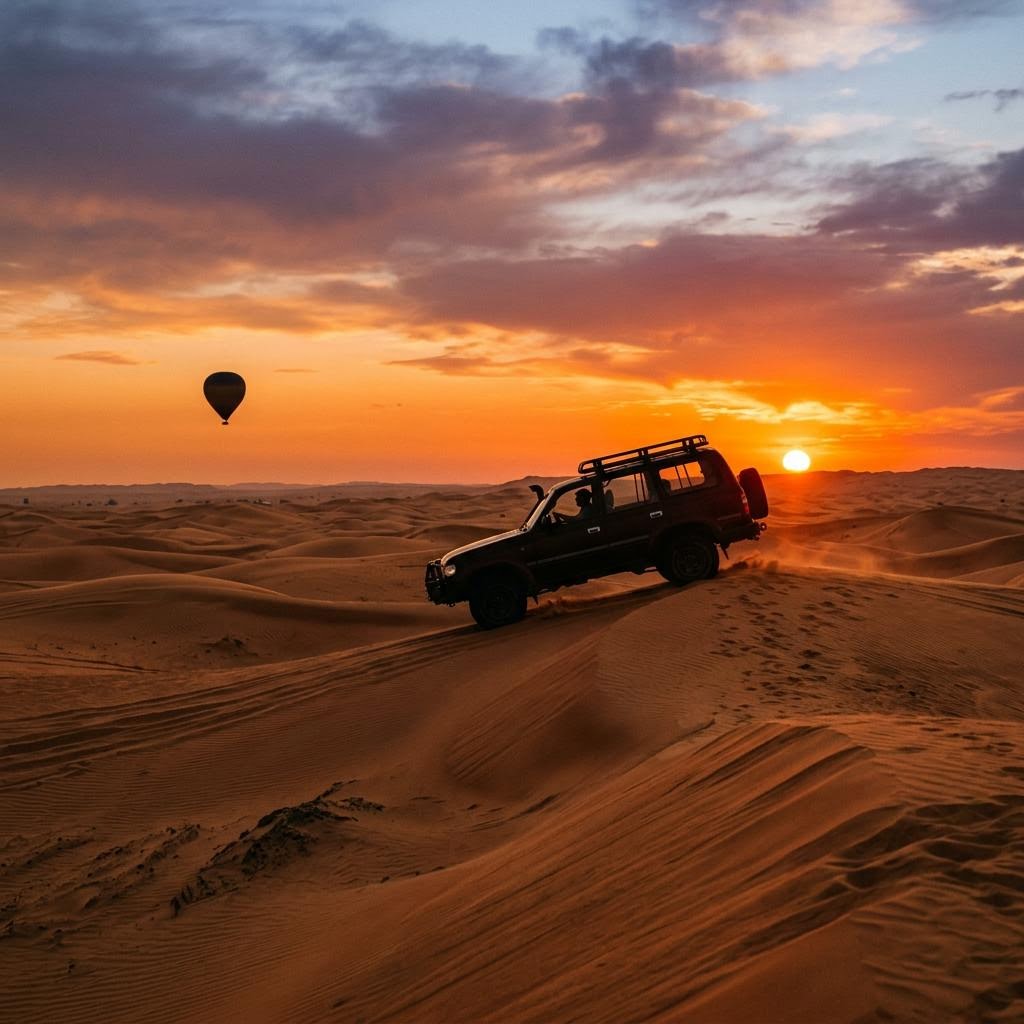
Not empty, only quiet
Dubai’s desert includes dunes, gravel plains and salt flats. Plants and animals have adapted to heat and limited water; the native ghaf tree provides shade and food for other species. Looking for these relationships makes a reserve visit different from a drive through sand.
It helps to think of the desert as a slow place. Plants grow carefully, animals are often active at dawn or dusk, and tracks in the sand record a night of movement that you rarely see. A visit works best when you travel gently and look for small signs.
Protected areas
The emirate has a network of protected areas managed by Dubai Municipality, described on its official pages. They include wetland and desert sites with different aims, from safeguarding habitats to supporting research and education. Entry rules vary, and some areas are accessible only through approved activities.
One well-known site is the Dubai Desert Conservation Reserve, which according to its own description is dedicated to protecting a significant portion of the emirate's desert landscape and supporting native species. The Ras Al Khor Wildlife Sanctuary, on the edge of the Creek, is known for water birds, and is a reminder that conservation exists inside the urban area too.
Species and seasons
Native wildlife includes the Arabian oryx, a desert antelope that has been the subject of reintroduction efforts in the region, along with gazelles, foxes, reptiles and many birds. Sightings are never guaranteed, and responsible operators prioritise animal welfare over photographs.
Seasons matter. Winter and early spring are milder and favour outdoor activity, while summer heat is intense and demands caution. Migratory birds use wetlands at certain times of year, so check with local sources for what to expect during your visit.
Pressures and protection
Like many arid regions, Dubai's habitats face pressures from development, recreation and climate change. Protection involves planning rules, managed access and public education. The details of any policy are best read in official documents, and no short article can settle debates about how much is enough.
A fair view acknowledges that tourism can both support and strain nature. Revenue from well-run experiences can fund conservation, while unmanaged crowds and vehicles can damage fragile ground. The difference lies in how activities are run.
How to visit well
Choose licensed operators who stay on designated tracks, limit group sizes and explain the ecology. Avoid feeding animals, collecting plants or driving off marked routes. Carry water, wear sun protection and tell someone your plans.
Take rubbish with you and keep noise low. If you only remember one rule, remember this: the desert looks resilient, but a tyre track can last for years. Leaving things as you found them is the simplest way to say thank you to a landscape that has supported life here for a very long time.
Beyond the dunes
The emirate's geography includes more than sand. Gravel plains, salt flats, coastal lagoons and mountain areas each support different communities of plants and animals. Dubai is also home to wetlands and mangrove stands along parts of its coast, which shelter fish and birds and help protect the shoreline.
Consider pairing a desert visit with a wetland or mountain trip to see how varied the landscape is. Official protected-area pages describe what each site offers, and they are the right source for opening arrangements, safety guidance and any restrictions that apply on the day you plan to go. Local guides with ecological training often add useful detail about plants, tracks and traditional uses of the land that no sign can capture.
A note on dunes and driving
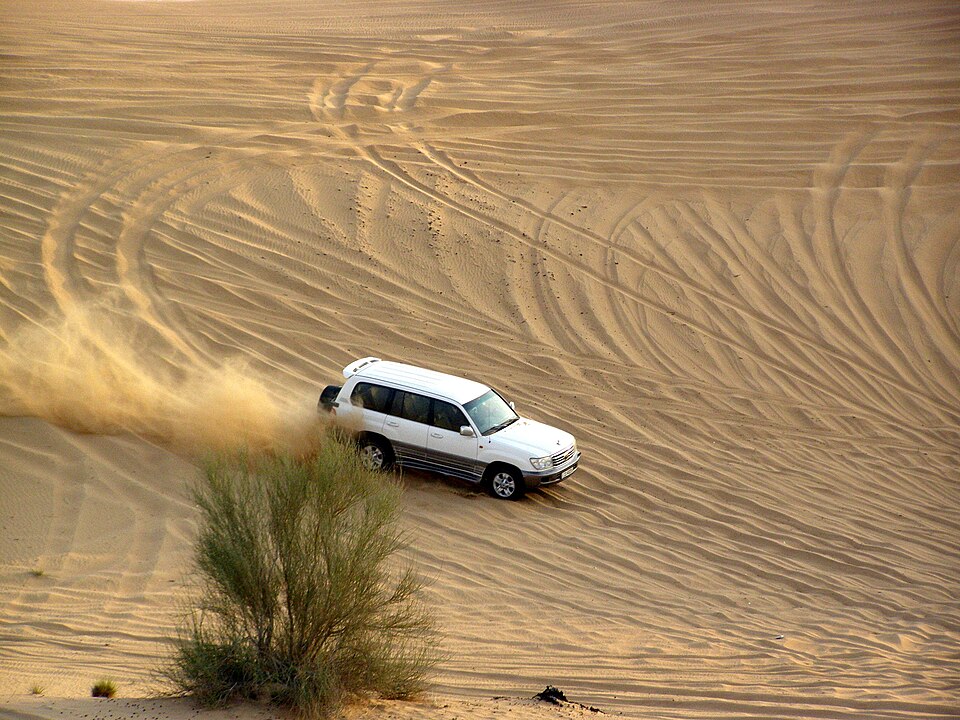
Dune driving is popular, but it should be done with licensed operators and on approved routes. Reputable companies brief passengers on safety and follow environmental guidelines. If an operator seems careless about wildlife or vegetation, choose another.
Independent and unofficial. Details change; confirm with official sources before you travel.