Economy · 3 min read
A Diversified Economy: Trade, Free Zones and Logistics
The Creek’s trading history continues through ports, cargo facilities and free zones. These working parts of Dubai explain much of the city visitors see.
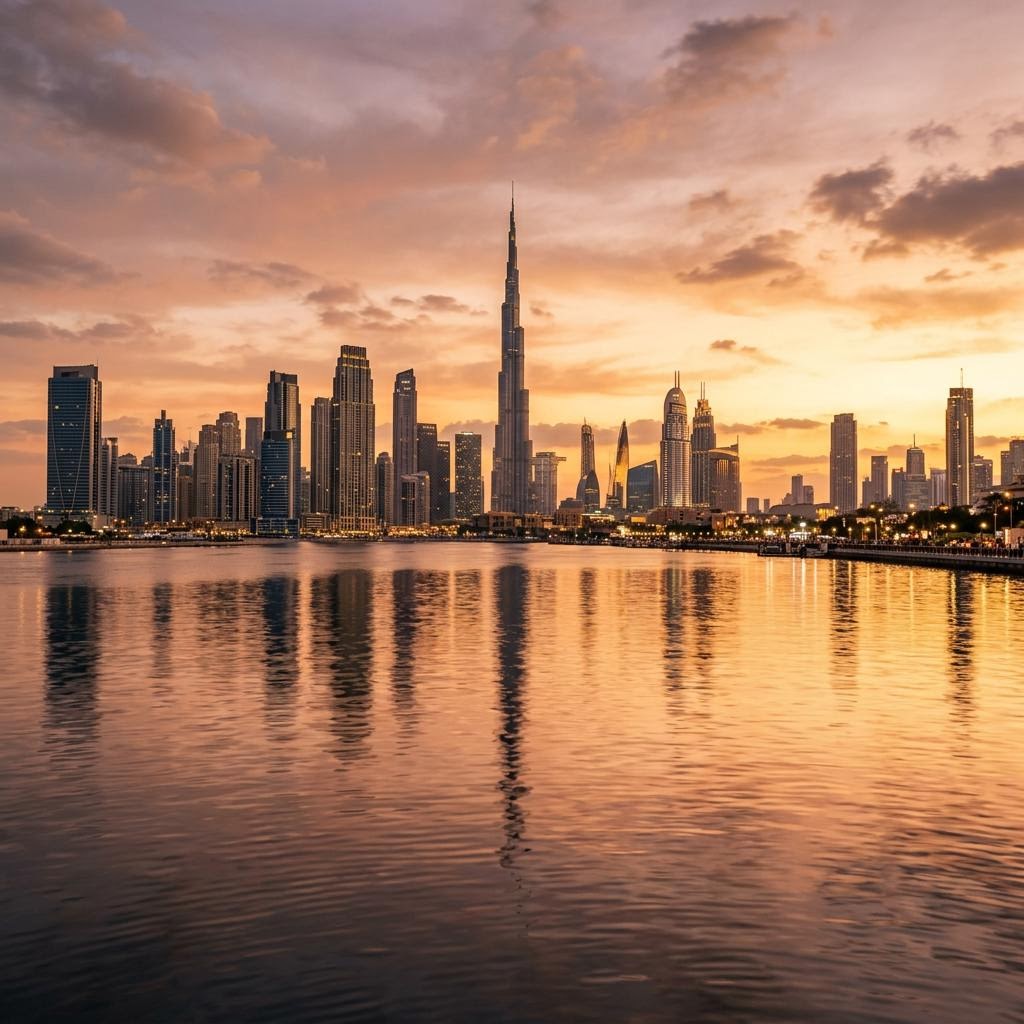
From the Creek to the container
Trade remains central to Dubai’s economy. The Creek’s dhow traffic was followed by investment in deep-water ports and cargo facilities, linked by roads and warehouses. Those connections help explain why commercial districts, logistics areas and the airports occupy so much of the emirate.
Understanding this does not require statistics. It is enough to know that the shoreline hosts large port facilities, that the main airport has substantial cargo operations, and that road and warehouse networks link them. The glamorous parts of the city sit on top of this functional base.
What a free zone is
A free zone is a designated area where businesses can operate under specific regulatory and ownership arrangements, often with simplified procedures. Dubai has many, each focused on a sector such as logistics, finance, media, technology or healthcare. The rules differ by zone, so businesses must check the details with the relevant authority.
For visitors, free zones matter mostly because they shape the geography of work. Entire districts exist for particular industries, which is why some areas feel like campuses and others like mixed neighbourhoods. The pattern helps explain why daily commuting looks the way it does.

Services, tourism and real estate
Alongside trade, the economy includes tourism, hospitality, retail, finance, construction and property. These sectors support each other, since visitors create demand for hotels and restaurants, and a growing population creates demand for housing and schools. The balance among them has changed over time and will keep changing.
A careful reader should treat claims about the exact share of each sector with caution unless they come from official statistical publications. Economic structures vary by year, and simplified slogans tend to age badly.
Strengths and risks
An economy oriented toward trade and services can adapt quickly, but it is also exposed to global shocks. Slowdowns in world trade, travel disruption or shifts in property markets can affect the emirate, as events in past decades have shown. Diversification reduces dependence on a single source of income but does not remove risk.
Independent economists and official agencies offer different perspectives, and both are worth reading. A balanced account avoids both triumphal and gloomy extremes.
Seeing the system as a traveller
You can observe the economy simply by travelling. Look at the cranes on the horizon from a coastal road, notice the trucks on the main routes, and watch the dhows at the Creek still handling cargo. Visit a business district at midday and a market at night.
If you are curious, tour a working port viewpoint or visit an exhibition at a business museum, where available. The more you understand about how goods and services move, the more sense the visible city makes. It stops looking like an arbitrary collection of landmarks and starts to look like the front window of a much larger operation that runs mostly out of sight, across sea, road and sky.
Reading economic claims critically
News stories and brochures often use superlatives. A useful habit is to ask who is measuring, over what period and for what purpose. Official statistics offices publish methods along with figures, and independent institutions provide analysis. When no source is given for a striking claim, treat it as an opinion.
Applying this habit makes your visit richer. It lets you enjoy the city's achievements without taking every slogan at face value, and it prepares you to notice the less visible work, much of it done by migrant workers, that keeps ports, warehouses, hotels and offices running every day of the year.
Where to learn more
The municipality and statistical bodies publish reports that explain how the emirate measures its economy. Reading even a short summary gives context for what you see in the streets and helps you separate evidence from advertising.
Independent and unofficial. Details change; confirm with official sources before you travel.