Nature & sustainability · 2026 guide · 3 min read
Al Marmoom: why an unfenced reserve needs careful visitors
Al Marmoom is unfenced, but it is not a blank canvas. Dubai Municipality frames it as a protected desert system built for sustainable recreation, where lakes, hides, and wildlife habitats demand restraint, route awareness, and respect for conservation rules.
- Published
- Earlier source-check record
- Not separately recorded
- Content updated
- By
- ComeVisitDubai editorial
Update note: Distinguished the public sustainable-recreation description from unverified activity-specific permissions. Edited for clarity and repetition, with contextual photographs added. This copy edit is not a new full-article source check.
Based on the linked sources, not a first-hand visit. “Today” and “this week” refer to the publication date. Source checks and later edits are recorded separately. Editorial method and attribution.
Access check: unfenced does not mean unrestricted
Dubai Municipality describes Al Marmoom as an unfenced protected area open for sustainable recreation. Its overview does not, in the retrieved text, grant permission for a particular camping plot, fire, off-road route or protected zone. Those activity-specific conditions remain unresolved in this check. Ask the authority or authorised operator for the rules applying to your route and activity, follow designated signs and do not interpret the absence of a fence as permission to enter everywhere.
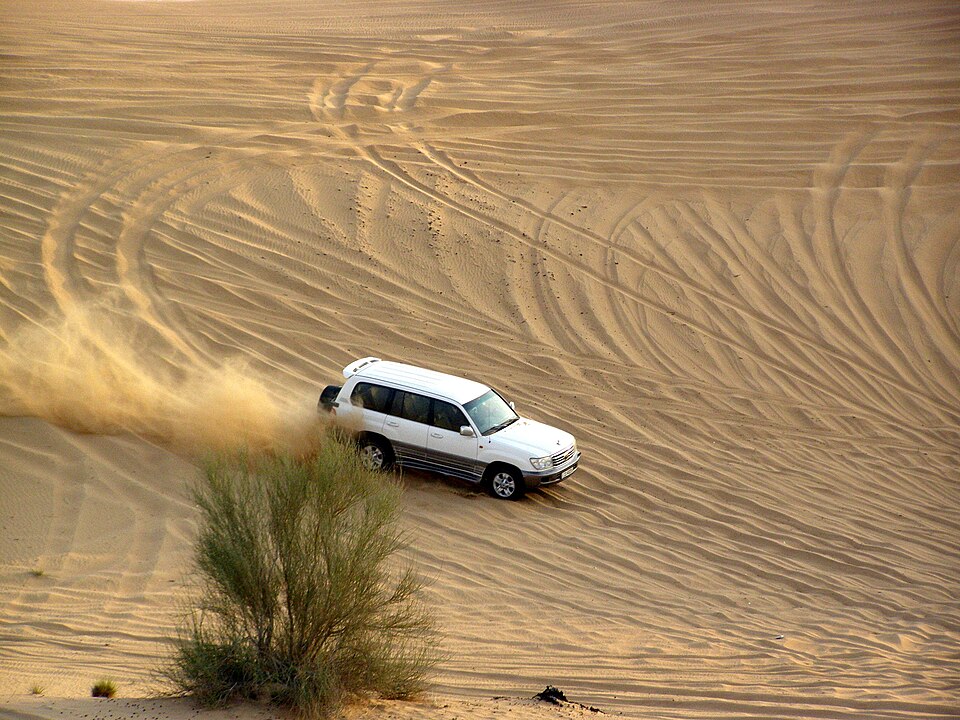
A protected area without a perimeter fence
Dubai Municipality places Al Marmoom in the Saih Al Salam desert. Established by Decree No. 22 of 2014 and managed under Law No. 11 of 2003, the reserve covers 949.35 square kilometres—almost 23 percent of Dubai. Its unfenced boundary does not remove its conservation status.
The distinction matters before you set out. A commercial safari booking, an open track and a space beside a lake are not interchangeable forms of permission. Confirm the route and activity you intend to undertake rather than assuming that every part of the reserve is open for recreation.
More than sand dunes
The municipality lists sand sheets, Prosopis cineraria woodland, dunes, aeolianite, sabkhas, interdunal and gravel plains, and artificial lakes. These habitats support Arabian oryx, sand gazelle and Arabian gazelle.
Its recorded species counts include 258 birds, 11 mammals, 26 reptiles, 47 flora, 134 invertebrates and three fish species. These are the authority’s figures, not a promise of what you will see on a visit. Binoculars let you observe wildlife without moving closer or disturbing it.
Lakes and bird hides
The municipality describes eight built bird hides and year-round leisure visits around the lakes. That description does not establish which hide is open on your date, how to reach it, or whether a particular activity is permitted.
Ask for current visitor instructions before travelling. Follow signs and designated access points, and leave nesting areas and lake edges undisturbed. A hide works best when visitors keep movement and noise low.
Conservation alongside other land uses
Al Marmoom hosts the Mohammed Bin Rashid Solar Park and a Houbara Reintroduction Programme. Its artificial lakes, conservation work and infrastructure make this a managed landscape, not an untouched wilderness.
The presence of a road or another developed area should not be read as permission to drive, park or camp elsewhere in the reserve.
Keeping a visit low-impact
Stay on authorised routes, take litter away and do not pursue animals for photographs. These are editorial low-impact recommendations; they do not replace the authority’s rules for your particular location.
Camping, fires and off-road driving need their own permission checks. If you cannot establish the conditions for an activity, leave it out of the plan rather than treating the lack of a fence as approval.
Choosing this reserve rather than a safari outing
Al Marmoom may suit a visit centred on landscape and quiet observation, provided access is confirmed. A reserve visit is a different choice from a packaged safari with advertised activities and transfers.
Families should establish the exact arrival point and practical facilities for their intended stop. General descriptions of lakes and hides are not evidence of toilets, accessible surfaces or assistance at every location.
Before leaving Dubai
Confirm the destination and permitted activity with Dubai Municipality or an authorised operator, and keep the relevant instructions available for the journey. Choose a route with a clear return plan.
The municipality’s wider protected-area network also includes wetland, coastal and mountain habitats. Do not carry permissions or operating assumptions from one reserve to another.
Independent and unofficial. Part of an editorial selection of 90 topics, not a popularity ranking. Details change; confirm with official sources before you travel.
You might also want to read

Dubai air quality today: how to check the live AQI
Air quality can differ by place and hour. Here is where to check Dubai’s official live readings, what the index means and how to use it when planning time outdoors.
Read · 2 min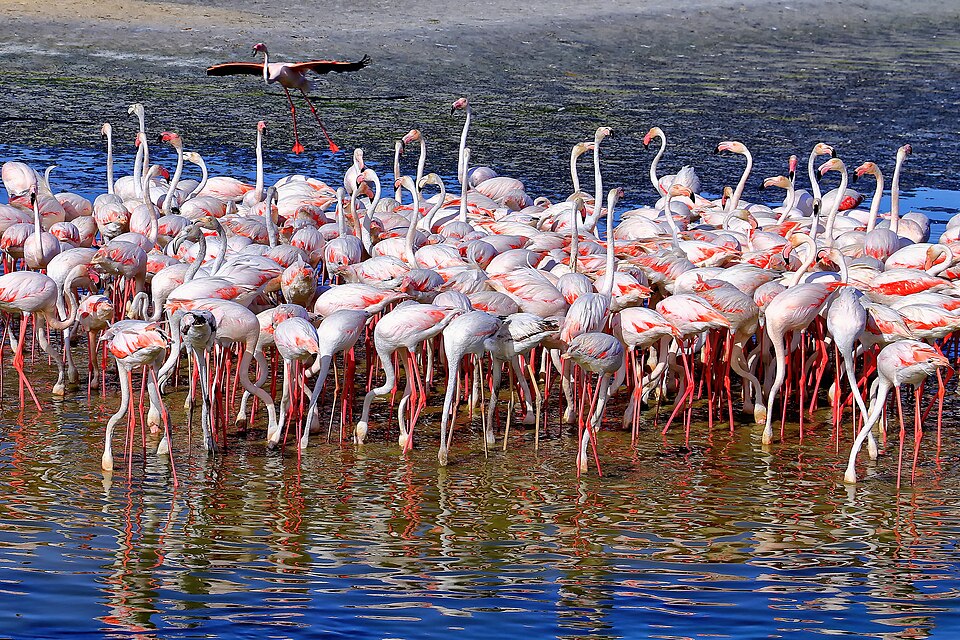
Ras Al Khor in 2026: the wetland behind Dubai’s nature-tourism story
Ras Al Khor is Dubai’s most revealing nature story: a Ramsar-listed wetland embedded in an intensely urban setting, famous for winter flamingos yet defined by broader biodiversity, protected habitats, and carefully managed public access through bird hides and education-led visitation.
Read · 8 minDubai Desert Conservation Reserve: choosing a safari with conservation in mind
Dubai’s desert safaris are not all the same: the Dubai Desert Conservation Reserve is a managed protected landscape, while nearby open dunes are not automatically conservation experiences. Choosing well means reading the reserve’s ecology, visitor rules, and the purpose behind guided access.
Read · 6 min