Nature & sustainability · 2026 guide · 6 min read
Dubai Desert Conservation Reserve: choosing a safari with conservation in mind
Dubai’s desert safaris are not all the same: the Dubai Desert Conservation Reserve is a managed protected landscape, while nearby open dunes are not automatically conservation experiences. Choosing well means reading the reserve’s ecology, visitor rules, and the purpose behind guided access.
- Published
- Earlier source-check record
- Not separately recorded
- Content updated
- By
- ComeVisitDubai editorial
Update note: Added DDCR's own approved-excursion guidance. A generic safari offer is not proof of reserve entry or unrestricted self-drive access. Edited for clarity and repetition, with contextual photographs added. This copy edit is not a new full-article source check.
Based on the linked sources, not a first-hand visit. “Today” and “this week” refer to the publication date. Source checks and later edits are recorded separately. Editorial method and attribution.
Check that the excursion actually enters the reserve
The reserve's own website promotes approved excursions and says its guides and operators are carefully chosen. Begin with that official activity directory and confirm the exact reserve itinerary and conditions with the listed provider. A generic 'Dubai desert safari' label does not establish access to DDCR. We did not submit a permit, test a booking or establish unrestricted self-drive permission. Obtain explicit confirmation before paying for an experience on the assumption that it enters this protected area.
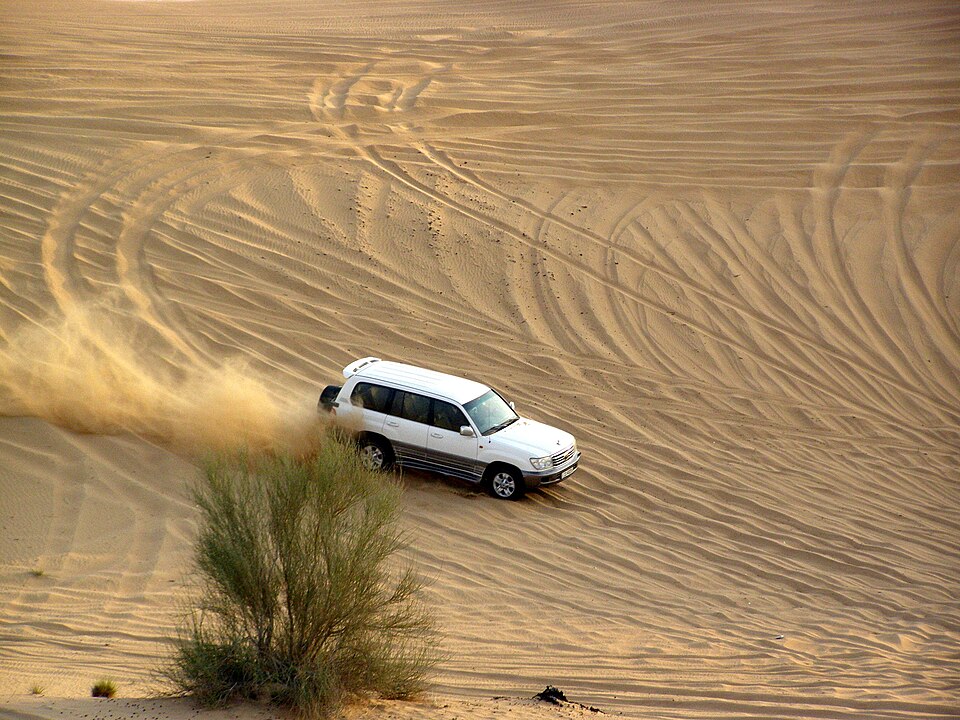
Why this reserve changes the meaning of a Dubai safari
The Dubai Desert Conservation Reserve sits in a different category from the city’s casual dune-driving playgrounds. Dubai Municipality describes it as one of the most biologically diverse and rich environments in the emirate, and its protected-area status matters because it frames the visit around habitat protection as much as recreation. For travelers deciding between a standard desert outing and an entry into a conservation landscape, that distinction should come first: the reserve is not just scenery, but a managed ecological system with specific conservation aims.
That matters in 2026 because Dubai’s desert tourism market is broad, and the word “safari” can blur very different kinds of access. A guided reserve entry suggests a setting where conservation rules, ecological sensitivity, and visitor behavior are part of the experience. Unrestricted dunes elsewhere may still be beautiful, but they do not automatically carry the same management structure or wildlife focus. If the goal is to align a desert outing with environmental care, the reserve is the more clearly conservation-led choice, provided the operator and access model are verified and appropriate for the reserve environment.
What Dubai Municipality says the reserve is protecting
The official Dubai Municipality material identifies the Dubai Desert Conservation Reserve as a major protected desert area and notes that it covers a very large part of the emirate’s protected landscape. It is presented as a habitat mosaic rather than a single uniform dune field, with sand sheets, dunes, gravel plains, sabkhas, and artificial lakes among the listed habitat types. That mix helps explain why the reserve is significant: conservation here is not only about preserving sand, but about maintaining conditions for a wider desert ecosystem.
The reserve’s wildlife list shows why a visitor should think beyond the visual appeal of open desert. Dubai Municipality notes birds, mammals, reptiles, flora, invertebrates, and fish, and specifically names species such as Arabian Oryx, Sand Gazelle, Arabian Gazelle, Persian Wonder Gecko, and Spiny-tailed Lizard. The reserve also hosts a houbara reintroduction programme, which signals active ecological management rather than passive land protection. In practical terms, this means a responsible safari is not merely a drive across dunes; it is a visit into a habitat where disturbance, speed, and off-track movement have conservation consequences.
Guided entry versus free-roaming dunes: the practical difference
The most useful way to compare a reserve safari with an unrestricted dune outing is through control. In a protected reserve, access is typically shaped by the land’s conservation purpose, so the experience is usually more structured and less improvisational. That can feel less free than a self-directed dune run, but it is exactly why some visitors prefer it: the landscape is being treated as habitat first, attraction second. For a traveler who wants the trip to reflect environmental values, that structure is an advantage, not a limitation.
By contrast, the broader desert outside protected zones can offer dramatic landscapes with fewer visible rules, but that openness is not the same as ecological responsibility. Unrestricted dunes may be suitable for certain recreation styles, yet they do not inherently prioritize wildlife or habitat protection. This is the central decision for 2026 visitors: if the desert experience is meant to support conservation goals, seek a clearly managed reserve entry and avoid assuming that any desert drive is a conservation safari. The quality of the experience depends less on sand alone than on whether the setting is treated as a living system.
How to judge whether a safari fits conservation criteria
Start with the operator’s relationship to the reserve. The evidence provided here confirms the reserve’s protected status and conservation role, but it does not verify any specific private operator, route, or package. So the correct approach is to ask what the access includes, where it goes, and whether it stays within the reserve’s managed framework. A conservation-minded safari should be transparent about location, impact, and behavior; if those details are vague, the sustainability claim deserves skepticism.
Second, look for signs that the experience is designed around low-impact observation rather than high-impact spectacle. Dubai Municipality emphasizes ecological richness, birdlife, and habitat protection, which suggests that the most aligned visits will favor watching, learning, and moving carefully through the landscape. A good conservation-oriented outing should not be judged by how aggressively it covers ground, but by how well it respects the reserve’s purpose. In editorial terms, the best safari is not necessarily the most exclusive or the most luxurious; it is the one that makes the desert legible without degrading it.
Wildlife sightings and the ethics of expectation
A reserve visit is most rewarding when travelers calibrate expectations. Dubai Municipality’s reserve profile points to desert-adapted mammals, reptiles, birds, and diverse plant life, but it does not guarantee particular sightings on a given day. That is important because conservation tourism often fails when visitors arrive expecting a wildlife show on demand. In a protected desert, patience and restraint are part of the experience. The reserve’s value lies partly in what remains unseen, not only in what appears near the vehicle or viewing point.
The presence of flagship species such as Arabian Oryx and gazelles is one reason the reserve is so often highlighted, yet ethical wildlife tourism should resist treating those animals as props. Visitors should think in terms of habitat quality, not just photographic opportunity. A well-run safari gives wildlife room to behave naturally and allows the landscape to remain the center of attention. That approach is especially relevant in Dubai, where desert recreation can easily become consumption-driven unless the visitor deliberately chooses a lower-impact frame.
Why the reserve matters beyond the photo stop
The official description also places the reserve inside a wider environmental story. It hosts the Mohammed Bin Rashid Solar Park, and Dubai Municipality presents that combination of renewable infrastructure and natural habitat as part of what makes the area distinctive. That does not turn the reserve into an industrial landscape; rather, it shows how Dubai is trying to reconcile conservation, energy development, and public access in one place. For visitors, the takeaway is that this is a modern conservation landscape, not a frozen wilderness separated from contemporary city life.
This matters because it changes how a safari should be interpreted. A conservation-minded trip here is not just about escaping the city; it is about seeing how the emirate manages desert space under pressure from development, mobility, and recreation. The reserve’s designation, habitat diversity, and wildlife programme all suggest an attempt to keep a functioning ecosystem intact while still allowing public appreciation. That is a more nuanced story than the typical desert day-trip narrative, and it is exactly why the reserve deserves to be chosen deliberately rather than casually.
A sensible 2026 way to choose your desert experience
If your priority is conservation, begin by preferring a safari that explicitly enters the Dubai Desert Conservation Reserve rather than one that simply markets itself as a desert adventure. Then test whether the itinerary, timing, and behavior match the reserve’s role as a protected area. A good choice will feel measured, habitat-aware, and transparent. It should make clear that the desert is being visited, not used up. If those signals are absent, the experience may still be fun, but it is not the same as a conservation-led safari.
The broader lesson is that Dubai’s desert is not one uniform product. The reserve offers a framework where ecology shapes the visit, and that is what distinguishes it from open, unrestricted dunes. For travelers in 2026, the smartest choice is to treat the desert like a place with rules, species, and management goals, not just a backdrop for photos. In that sense, choosing the Dubai Desert Conservation Reserve is less about buying a package and more about deciding what kind of relationship you want with Dubai’s desert landscapes.
Independent and unofficial. Part of an editorial selection of 90 topics, not a popularity ranking. Details change; confirm with official sources before you travel.
You might also want to read

Dubai air quality today: how to check the live AQI
Air quality can differ by place and hour. Here is where to check Dubai’s official live readings, what the index means and how to use it when planning time outdoors.
Read · 2 min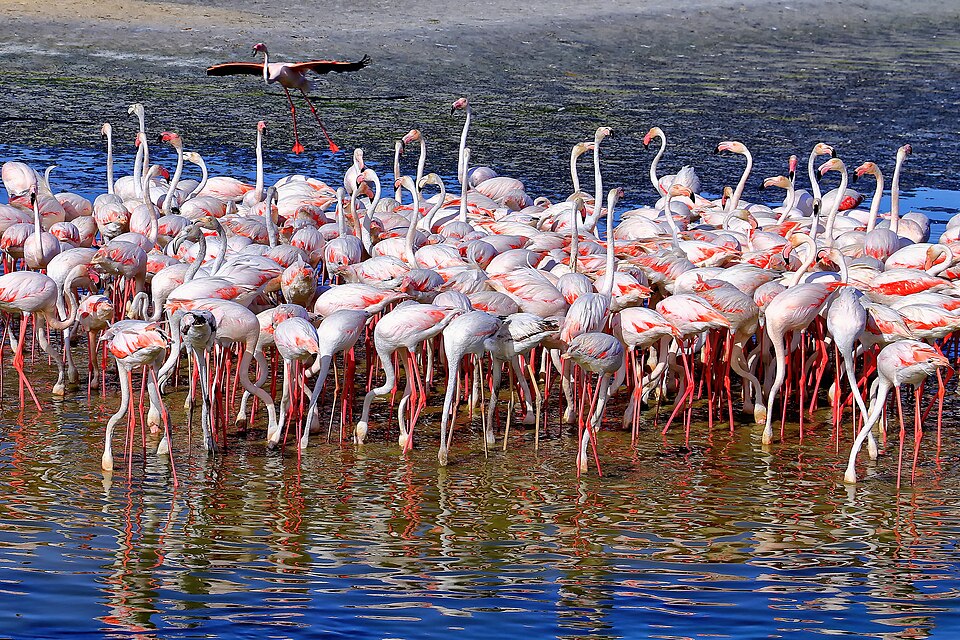
Ras Al Khor in 2026: the wetland behind Dubai’s nature-tourism story
Ras Al Khor is Dubai’s most revealing nature story: a Ramsar-listed wetland embedded in an intensely urban setting, famous for winter flamingos yet defined by broader biodiversity, protected habitats, and carefully managed public access through bird hides and education-led visitation.
Read · 8 minAl Marmoom: why an unfenced reserve needs careful visitors
Al Marmoom is unfenced, but it is not a blank canvas. Dubai Municipality frames it as a protected desert system built for sustainable recreation, where lakes, hides, and wildlife habitats demand restraint, route awareness, and respect for conservation rules.
Read · 3 min